

Myopia Progress Checks in Austin: What Parents Can Learn Beyond a New Prescription

Myopia Progress Checks in Austin: What Parents Can Learn Beyond a New Prescription
Your child may read the board easily with new glasses and still become more nearsighted as their eyes grow. At our Austin office, a myopia progress check shows us how quickly that change is happening. We compare today’s findings with earlier visits so you can see the trend and understand why we might continue or adjust your child’s treatment.
How Quickly Is the Prescription Changing?
When we compare prescriptions, the dates matter as much as the numbers. A change from -1.00 to -1.50 diopters in six months tells us your child’s nearsightedness progressed faster than the same change over two years. A diopter is the unit we use to describe lens strength.
We also consider how old your child was when they first needed distance glasses. Myopia that begins earlier in childhood tends to progress faster. If your child is new to our practice, bringing a dated copy of an older prescription can help us see that pattern sooner.
What Can Eye Growth Tell Us?
Childhood myopia often progresses as the eye grows longer from front to back. That distance is called axial length. When measurements are available from more than one visit, we can compare them to see how much the eye has grown and interpret that change in light of your child’s age.
Tracking eye growth can be especially helpful for children who wear orthokeratology (ortho-k) lenses overnight. These lenses temporarily reshape the front of the eye so your child can see clearly during the day. A sharp eye chart reading the next morning tells us how well the lenses corrected their vision that day. Eye length measurements over time help answer whether growth is slowing.
What to Share at Your Child’s Follow-Up
Think about an ordinary school week before your visit. These details can help us understand the exam findings.
When distance vision gets blurry, such as during the last class of the day.
How often your child wears their prescribed lenses and what makes that routine difficult.
Whether their glasses slide down or their contacts feel uncomfortable before the school day ends.
If your child takes their glasses off because the frames pinch, a fit adjustment may make consistent wear easier. If myopia continues to progress despite consistent use, we can discuss a different treatment or a shorter interval before the next check.
To schedule your child’s myopia progress check, call Vision Source Austin in Austin, TX, at (512) 454-4401.


Vision Source Austin
My Eye Vision Care
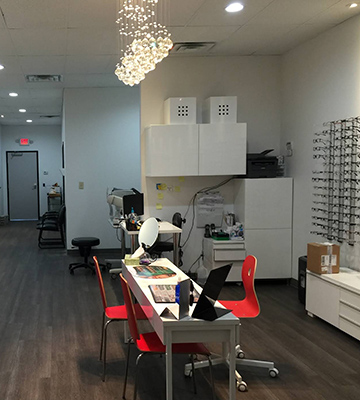
Vision Source Austin
Phone: (512) 454-4401
Email: SEND MESSAGE
Hours:
Monday 10:00 AM - 6:00 PM
Tuesday By Appointment Only
Wednesday 10:00 AM - 6:00 PM
Thursday 10:00 AM - 6:00 PM
Friday Closed
Saturday By Appointment Only
Sunday Closed
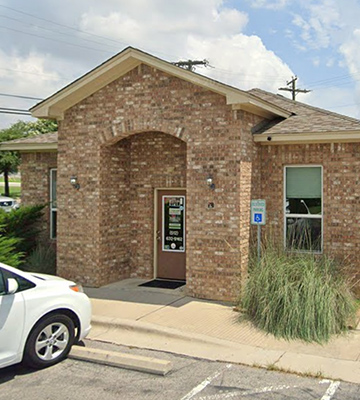
My Eye Vision Care
Phone: (512) 252-7075
Email: SEND MESSAGE
Hours:
Monday 1:00 PM - 6:30 PM
Tuesday By Appointment Only
Wednesday 10:00 AM - 6:00 PM
Thursday 1:00 PM - 6:30 PM
Friday By Appointment Only
Saturday By Appointment Only
Sunday Closed
© 2026 Vision Source Austin. All Rights Reserved. Accessibility Statement - Privacy Policy - Sitemap
